How to Find the Right Sportboat
Ever noticed how many used boats there are for sale? Ever wondered how many of them are for sale because the owners bought them, then found out they didn’t really like them? Plenty. The problem is that with so many attractive choices it is easy to go wrong. That’s why boaters need to use their heads, not their heart, to zero in on the boats that suit their needs. They can answer BoatTEST.com’s 10 questions and they’ll find that the list of prospects narrows quickly.
|
|
|
There are over one hundred sportboat models to choose from 18’ to over 30’ so |
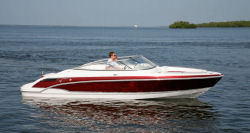
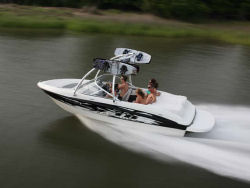
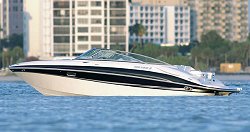
We are constantly amazed at how many people select a boat without doing adequate research. When we ask people why they bought a particular boat the answers come from all over the place, particularly in small boats. Small boats are often first-time purchases, so it is natural that mistakes are made. Also, moving from one type of boat, say an outboard fishing boat, to a sportboat, is not as easy as it sounds.
For example, many people say that they want a boat that is a certain size, then buy it only to discover that it is too big or too small, too fast or too slow. People often fall in love at a boat show with a boat and buy it, only to discover two months later that their new friend has a boat that they like even more and it cost the same amount or less. Buyer’s remorse can kick in quickly unless buyers have carefully thought through what they are doing.
Like so many things in life, finding the right match of sportboat is a matter of being analytical. In talking to people over the years we have found that it is important to ask some basic questions before buying. Once those answers are known, the right boat or short list of boats becomes readily apparent.
So here are the 10 questions we would ask a person who wanted to buy a sportboat--
1. What do you want to do with the boat?
- Ski
- Wakeboard
- Tow tubes
- Go fast
- Entertain
- Swim and snorkel
- Several or all of the above
2. Where do you want to do this activity?
- In the ocean
- On a small lake or river
- On a big lake, estuary, or sound
- Two or more of the above
3. How many people will usually be on the boat?
- Two
- Three to five
- Six to eight
- More
4. How much weight is your vehicle rated to tow?
- X thousand pounds
5. How much money can you comfortably afford to put down on the boat?
- X amount
6. How much money would you comfortably budget annually for your boating activity, including your monthly payment, boat insurance, and boat property tax (if any)?
- X amount, then divide by 12.
7. How many years do you plan to keep the boat?
- X years
8. Are you the kind of person who wants everything in a boat to be near perfect, do you become befuddled when things go wrong, and are you fastidious about details?
- Yes
- No
- Sometimes, such as when it come to your BoatTESTs
9. How important is brand image to you?
- Very important
- Somewhat important
- Not important
10. Have you discussed this purchase and all of the questions above with your spouse?
- Yes
- No
- A little bit
- Afraid to
What To Do with the Answers?
Q#1:
Most of the answers will point you in a direction, toward certain type boats and away from others. If a boater wants to tow tubers and swim, he or she doesn’t need a specialized inboard ski/wakeboard boat, which are usually more expensive than more general-purpose sport boats.
Q#2:
Boaters who want to go boating in the ocean or big water will want to look at the boat’s deadrise angle at the transom, the shape of the hull at the bow and at the stagnation line, and the height of the freeboard. Low-freeboard boats with flattish bottoms are more suited for small lakes and rivers, and deeper-V hulls with higher freeboard will be more comfortable and dryer where you are apt to find bigger waves.
Q#3:
Once a boater has determined how many people on average will be aboard, he or she should count the number of seating positions for friends on the boats under consideration. Do not use the "capacity" as a guide as this number is almost always higher than comfortable reality.
An important corollary to this question is: Will the guest who come aboard be women or girls and will they need a head/changing room? Some heads are tight, so they should be checked, because they are definitely not all the same.
Q#4:
If boaters don’t know the towing capacity of their vehicles, they should consult their owner’s manuals or call their car dealers. They may find that the boats they want are too heavy for their vehicles, in which case they might want to find a smaller boat or a bigger vehicle. If they are leaving the boats at marinas or behind their house on a dock, then this is not a concern because they can easily get it moved from showroom to the water.
Q#5:
Obviously this is a key question, and if a boater has a trade, he will want to find out what a dealer will give him for it. He is often better off selling it on his own. Remember to add in the cost of new equipment.
Q#6:
If a boater finances the boat, here is where the monthly charge goes. Many boaters find that their annual fuel bill is not as large compared to other things as they expected. If they are buying used boats, add in a figure for replacement of gear and extra maintenance.
Q#7:
This is an important question and probably one of the hardest to answer. Boaters who have young children will probably want the boat to grow with them. If the kids are graduating from college in a couple of years and the parents want to do some cruising, start thinking about that now. The best way to save money in boating is by getting a boat that will serve your needs both now and later – and buy one boat instead of two. Usually, boats are depreciating assets and the worst depreciation is in the first three years or so.
Q#8:
If a boater or spouse answers "yes" to the question, you will need to buy a new boat, or a late-model boat in excellent condition which has been well maintained. There are some people who will only buy new, and some will only buy used – but it’s important that boaters know what kind of buyer they are.
Q#9:
Boaters who are status conscious, or if they only feel comfortable owning the most prestigious brands, they can take solace in knowing that they are not alone. If they care about owning a prestigious brand, then they should make sure they buy one that is actually perceived as such by people beyond themselves and a small group of friends. Some people have misread the brands that actually fit into this very rarified category. Boaters who don’t care about prestige will be able to save a lot of money.
Q#10:
For any boater who has not discussed getting a boat with his or her spouse, we strongly urge them to do so early and often. Boaters need to get "buy-in" to the dream, because chances are the spouse’s dream is different. By taking the spouse through the points above, a boater will demonstrate that he or she has given the purchase careful consideration and that this is something that they both will be able to build on for mutual enjoyment.